

2 + 1 = more lonely?
On comparison, risk-aversion, and the strange math of modern motherhood

Myself and every friend I know, without exception, has experienced loneliness in motherhood.
Surely that is a little bizarre, because think about it: we literally added another human to the planet but feel more alone (??).
For some it’s during their fertility journey. Most in pregnancy. And certainly, all of us postpartum. Even the most outgoing ones, the friends who are always everywhere become a rare sighting.
This got me to look at my own behaviour and ask many mothers in my life about it. Based on this exercise, I’ve come up with a few things that I believe are responsible for this strange phenomenon and what we can do about it:
Comparison keeps us quiet
Comparison (or the fear of comparison) holds us back more than anything else.
We don’t want to be the one who looks like we’re not (yet) coping.
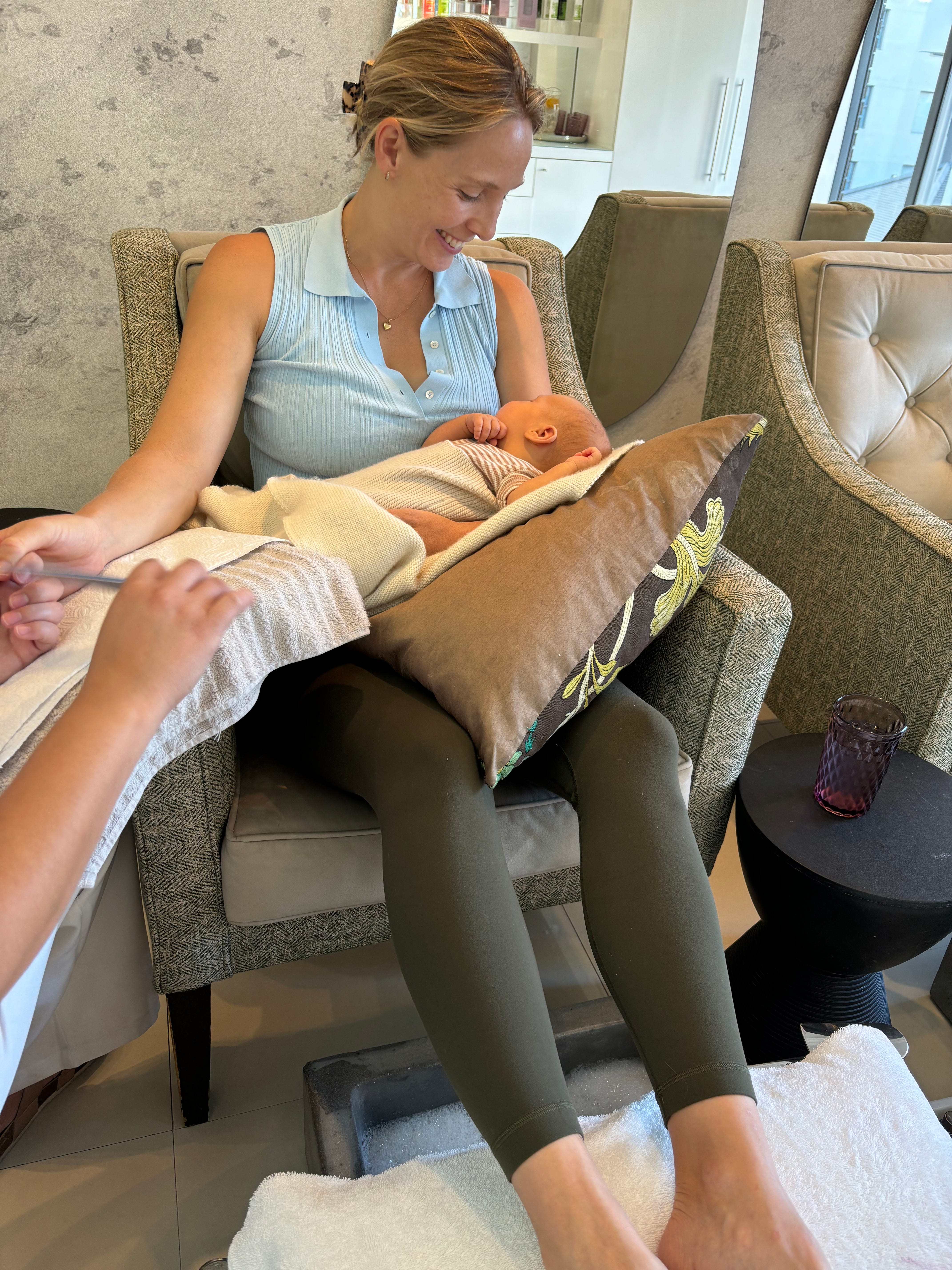
We don’t want to have a all eyes on us if our baby cries through brunch or look like we’ve lost all control.
We don’t want to risk someone else’s version of “how it should be done” colliding with ours (why even is this frightening in the first place and why can’t we embrace “I’m doing it my way, you’re doing it your way” aka letting people be?).
So we stay home. We play it ‘safe’. And then we feel lonelier?
We become risk averse (and hormones don’t help)
There’s something about how risk-averse we suddenly become postpartum.
Science explains some of it: hormonal changes (hello, oxytocin, cortisol, prolactin) heighten our protectiveness and vigilance. The baby feels fragile, and by extension, so do we.
But maybe it’s not just biology. Maybe it’s also the way our societies work. Many of us don’t have our parents or siblings nearby, or our closest friends aren’t in the same season of life. So the “village” isn’t built in. Instead, it takes bravery (and logistics) to put yourself out there.
What was once the easiest thing in the world, is now thought about and diligently prepared for 2.5 hours…
Thoughts are somehow hard to share
In those early months, our heads are fuller than full.
Will the baby sleep? Am I feeding them right? (How will I do this in public? My boobs don’t look like Emily Ratajkowski’s…) Will I ever feel normal again? Is it okay that I don’t love every moment? (I mean, who does).
These thoughts are constant, but they’re hard to relay, partly because they sound small, partly because they’re huge. How do you explain to someone else that the tiniest details feel like life-or-death when your whole nervous system is recalibrating?
So sometimes we don’t. And loneliness grows.
The protection bubble
For many of us it’s a conscious decision: we want to keep others at arm’s length in those first weeks.
We want the bubble. The cocoon. The blurry little unit that’s just us.
But there comes a point when it’s no longer the newborn bubble but it’s time to jump into different things of life again — whatever that means for you. So the longer we stay in this new comfort zone, the harder it can feel to leave it (classic stage fright).

What I think can help in everyday life
Loneliness won’t vanish overnight, but there are small, practical things that can make it easier:
Go outside.
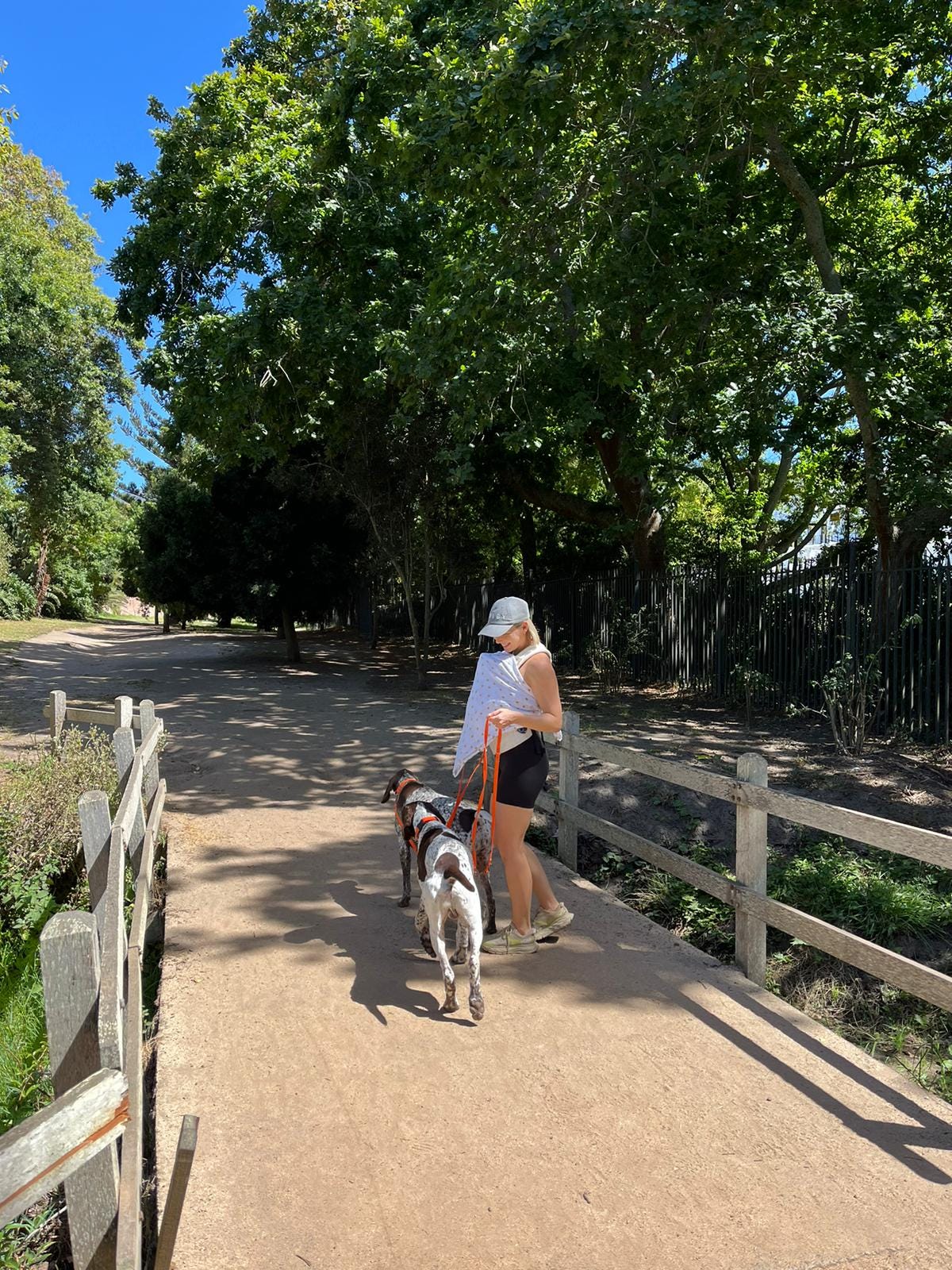
Even if it’s just to grab a matcha on the corner: the act of being around other people changes your whole nervous system and impacts your vibe (it won’t always feel amazing to be surrounded by other people especially when you’re exhausted, but apply the 80/20 rule and take the wins when you get them).
Make a plan with a safe friend.
Someone who won’t judge you if you show up late and who is most interested in supporting you, not just holding your baby (we all know the difference in how that feels).
Talk to your partner.
Spell out what kind of support would help you feel more confident, less lonely, more like yourself (they absolutely cannot guess that, no matter how much you think it’s written on your forehead).
Drop the fear of “public disasters.”
Babies cry. They poo. They need to eat. It’s literally biology and one day you will be a mum that can encourage another new mum who is finding her feet (and I’d bet your compassion and capacity to help will be greater if you’ve been there yourself).
Say yes to mama kindness.
Sometimes strangers will smile at you or say “you’re doing great.” Let it in. Sometimes it’s easier to believe from them than from people closest to us.
Take it easy but be truthful to yourself.
It can feel overwhelming to go out, socialise and embrace that there is many unknowns of how it will go. But by pushing yourself out of your (new) comfort zone and just doing it you’ll grow as a mum (and the practice you get with a newborn will help you when a year later you take your toddler for brunch - because them and you are pro’s now: been there, done that).
Why We Have to Talk About It
Loneliness isn’t a niche motherhood issue. It’s everywhere.
And it’s not just sad, it’s damaging. Many studies link maternal loneliness to higher risks of postpartum depression and even slower physical recovery.
So the more we say it out loud, the less lonely it gets.
Share your proudest, funniest or scariest moments when you recognised you were lonely and you did something about it:
What you resist, persists, as Jessica Baccanello always says!
More soon,
Julia
Also this:
Loved reading this. You’ve just held a safe space for me with this article, thank you 💚